

Garden Gas Patio Heater
Gas patio heaters spread heat over a larger area than electric heaters. They can be powered by propane or natural gas and can come in tabletop or freestanding designs.
Pyramid-style models are connected to a natural gas line in the home, while dome-top heaters run on propane. These heaters aren't permanent fixtures however, they also require regular maintenance and repairs.
Low operating cost
A gas patio heater is a great option to add warmth to your outdoor space. It uses radiant heating to warm the area by sending warmth in circular patterns. The flames burn liquefied petroleum gas (LPG) or propane, or natural gas and heat a reflector made of silver, which then reflect the infrared radiation back towards the area that is that is being heated.
Selecting a gas patio heater can be difficult however, you must be aware of a few things before purchasing one. First, you must decide on the type of fuel you want. Then, you can choose the best design to meet your needs. The types of patio heaters available include tabletop, wall mounted and freestanding. They also differ by size, and some models can be used with more than one fuel source.
The type of fuel you choose will determine the running cost of your patio heater. Natural gas patio heaters for instance, is less expensive to run than propane or LPG heaters because it is connected to your home's existing gas line. It is less portable and is more expensive to set up than propane patio heaters.
Propane gas heaters for patios are portable, and utilize small, refillable cylinders. These are more affordable than other patio heaters and deliver up to 9,000 - 11,000 BTUs. The dome assists in directing heat downwards, making them ideal for seating on patios. However, they require a significant clearance from combustible substances and need to be replaced often.
Electric patio heaters are a great option for those who don't have gas lines. They are simple to install and operate and do not require ventilation. They are not as efficient as other patio heaters, but they are a viable alternative to wood-burning fireplaces.
When looking at different patio heaters, it is important to consider the price as well as the fuel source and the frequency of usage. The ideal choice for your patio will be determined by your budget and the amount of time you will spend in the sun. Some gas patio heaters feature adjustable temperature settings that allow you to control how much heat is produced. This makes them a great option for both commercial and residential areas.
Easy to install
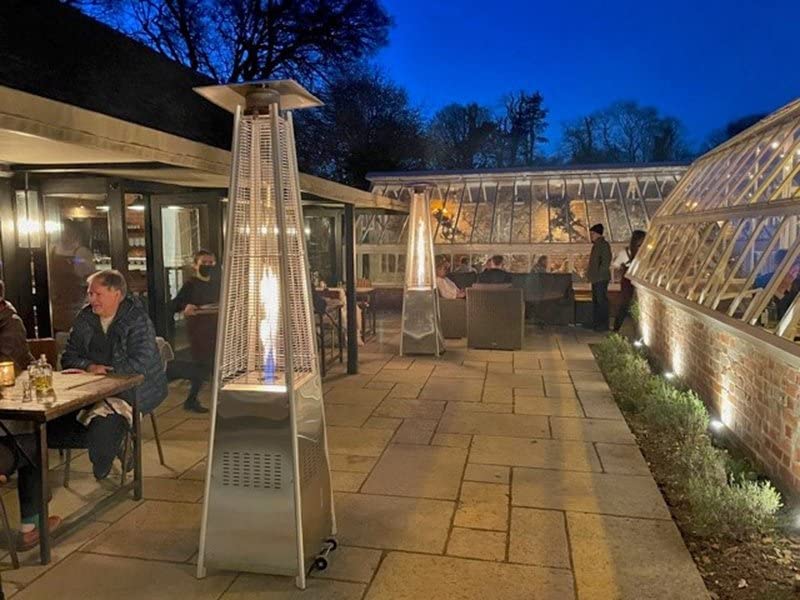
A patio heater is an investment that will pay for itself the first time you use it by extending the time guests can enjoy your outdoor space. It also makes your guests feel more comfortable at social gatherings, and your patio will be more functional all year round. You can select from a variety of styles, colours and shapes to suit your budget and aesthetic. There are also where to buy patio gas near me that are simple to set up and require no professional installation.
A gas patio heater can be powered by propane, natural gas or electricity. Propane patio heaters are most popular since they don't require professional installation and run from the standard 20-pound tank of propane. Certain models can be moved around the outdoor area in the event of need. These heaters might be less expensive initially, but they are more expensive to operate because you need to change the propane tank frequently.
The best way to determine what kind of heater is suitable for your patio is to understand how much heat your patio needs to keep warm. This is determined by the size and covered or open nature of your patio. A general rule of thumb is that a space of 1,000 square feet will require around 10 BTUs per square foot to remain warm.
When choosing a patio heater, it is important to be aware of the weather conditions in your area. The climate will affect your heating needs, as a covered patio in a colder climate will likely require more heating than an open patio in warmer climates.
Lastly, you should choose a patio heater with safety features for your family and guests. patio outdoor gas heater is recommended to select a patio heater with an anti-tip feature that shuts off the heater in the event that it tipping, safeguarding you and your guests. Other safety features include oxygen depletion sensors as well as overfill protection devices. Examine the AFUE rating (annual fuel usage efficiency) of your propane patio heater to reduce the cost of fuel.
Electric patio heaters are also a great option because they don't produce any emissions. However, they need to be plugged into an electrical outlet and may require professional installation. Certain models can be affixed to the walls or other structures for a more durable installation and others are freestanding. They come in a variety of designs that range from traditional metal to modern glass. You can choose an option that is built into the ceiling of your outdoor space.
Long life
A gas patio heating system is a fantastic addition to any business or home. It brings warmth and comfort, while also enhancing the design. They are frequent in restaurants and pubs where customers are likely to choose tables that are more comfortable.
gas patio heater small are built to last and can be used all the time. They are simple to operate and are available in various designs for various applications. The selection will depend on how much space you require to heat, the budget you have and whether you'd like a permanent or portable unit. Some of the most common types are models that stand on their own, mounted models and tabletop units. Some are powered by gas, whereas others are connected to your natural gas line or gas supply.
When you are choosing a gas patio heater, consider the BTU (British thermal unit) rating. The higher the BTU rating, the greater heat it will generate. The amount of people who make use of the heater should also be taken into consideration in order to determine the length of time it will be in operation. If you have pets or children, make sure to choose the model that has a safety shut-off feature and a stable base. Some models come with an anti-tipping or weight bladder mechanism to prevent the heater from slipping over.
If you're looking for a durable solution, you should look for an item that is CSAor ULETL-certified or CSA-certified. Some models have a tilt switch that shuts off the gas valve in the event that it teeters over a certain angle, keeping you and your guests safe. You should also consider investing in a portable fire extinguisher in case of emergency.
Alternatively, you can opt for a model with an infrared heating system, which is ideal for outdoor areas with a lot of space because it uses less fuel. These models are available in natural gas and propane versions however they might require a custom installation to achieve the best results. The most crucial factor to consider when determining which model is the best for you is the space you need to heat.
You'll have to decide if you'd like a propane or natural gas model. Permanent natural gas patio heaters can be connected to the natural gas line in your home, while portable propane models run off a small propane tank. Both come in a variety of sizes, such as 20-pounders, 30-pounders and larger.
Safety
When choosing a garden gas patio heater, it's important to be aware of safety. Propane and natural gas patio heaters release carbon monoxide, which could be deadly if breathed in. Be sure to use your patio heater outdoors and not in a closed space and make sure it is completely vented. Check the electrical cords and propane tank for wear or damage. Additionally, it is wise to keep a fire extinguisher nearby in case of emergency.
Gas patio heaters are often preferred for larger spaces, as they are more efficient than electric models and can be easily turned on and off using a remote control or timer. They do not shut down automatically when the circuit is clogged unlike electric models. They also cost more and require regular refills.
The best method to determine which heater is right for your space is by examining the heat output. The majority of manufacturers indicate this in BTUs and a higher value indicates more heat. However it is important to note that the amount of heat a heater generates will depend on its location and the temperature of the surrounding.
Also, think about the type of fuel source and the size of the cylinder. Certain portable propane patio heaters operate with smaller canisters available at hardware stores. This option is more affordable if you regularly entertain guests.
Lastly, ensure that your heater has a CSA safety rating. This means it's been inspected and complies with strict safety requirements by an independent third party. The CSA logo is usually affixed to the heater label.
If you're considering a gas patio heater, be sure to follow the manufacturer's instructions when setting it up and using it. It is especially important to keep pets and children away from the heater when it's on. Be aware that strong wind can cause your heater to tip over. It is recommended to put it in a place where there is sufficient wind protection.